Artists
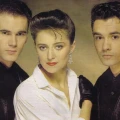
Often misconstrued as the stage name of lead singer Mark Reilly, England's Matt Bianco are in fact a jazz, Latin, and lounge music-influenced pop outfit.

Perhaps because he did not cross over to the pop audience as heavily as Motown's stars, it may be that the scope of Curtis Mayfield's talents and contributions have yet to be fully recognized.

The best and most popular French rapper, MC Solaar found success in America among fans of acid jazz and jazz-rap after guesting on Guru's acclaimed Jazzmatazz project.

Vocal virtuoso Bobby McFerrin ranks among the most distinctive and original singers in contemporary music — equally adept in jazz, pop, and classical settings.

A group that effortlessly straddles the gap between avant-garde improvisation and accessible groove-based jazz, Medeski, Martin & Wood have simultaneously earned standing as relentlessly innovative musicians.

Until the arrival of the Sugarcubes, jazz fusion band Mezzoforte was Iceland’s best-known musical export.

Best known for recording the hit theme to Soul Train, MFSB were the preeminent instrumental outfit of Philadelphia soul.

Monday Michiru stands as one of Japan's finest soul and R&B singers of the 1990s, and her cosmopolitan sensibility and mixed nationality have made her stand out among her contemporaries.