Artists

Duncan Millar is a pianist, keyboardist, composer, and producer from London, England.

A versatile and highly regarded bassist, Marcus Miller is known for his fluid improvisational chops and funky, contemporary-leaning jazz.

Blending together funk, jazz, bossa nova, soul, and boogaloo with downbeat and drum'n'bass tendencies, German acid jazz duo Mo' Horizons came together in the late '90s.

Moloko combined dance, funk, and trip-hop elements in an approach similar to Portishead or Massive Attack but with a sense of humor and sass unique to them.
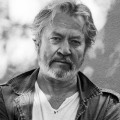
Nils Petter Molvær is a Norwegian composer, trumpeter, and producer. His music crosses multiple styles and genres including jazz, ambient, house, EDM, hip-hop, rock and pop.
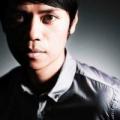
As Mondo Grosso, Japanese track-master Shinichi Osawa has acted alone and with various vocalists and collaborators to produce some of the most stylish acid jazz, house, and R&B produced in his country during the '90s.

In the past years, Monsieur Dubois has created a strong live reputation with an attractive mix of jungle beats, funk, soul, jazz, and afro grooves.

The Italian project Montefiori Cocktail is made up of brothers Francesco and Federico Montefiori and their inspirational leader and father, Germano Montefiori.